Der Tajweed-Anfängerkurs der Al Asr Quran Academy bringt Kindern und Erwachsen bei, wie man den Koran mit korrekter Aussprache, klaren Makharij und wesentlichen Tajweed-Regeln rezitiert. Jeder Schüler lernt im Online-Einzelunterricht mit einem qualifizierten männlichen oder weiblichen Koranlehrer. Melden Sie sich für eine kostenlose Probewoche an, um Ihr aktuelles Niveau zu überprüfen und mit einem auf Ihre Rezitation zugeschnittenen Lehrplan zu beginnen.

Ein Tajweed-Anfängerkurs lehrt die grundlegenden Regeln, die die korrekte Aussprache des Korans leiten. Die Schüler lernen, wie arabische Buchstaben gebildet werden, wie lange Laute gehalten werden und wie Buchstaben sich gegenseitig in koranischen Wörtern beeinflussen.
Das arabische Wort Tajweed trägt die Bedeutung, etwas zu verbessern oder präzise zu machen. Bei der Koranrezitation bedeutet es, jedem Buchstaben seinen korrekten Klang zu geben und die etablierten Rezitationsregeln anzuwenden.
Allah sagt: „Und rezitiere den Koran mit bedächtiger Rezitation.“ — Sure Al-Muzzammil, 73:4
Der Kurs kombiniert einfache Erklärungen mit wiederholtem Lesen. Die Schüler lernen nicht nur Begriffe auswendig – sie üben jede Regel mit Buchstaben, Wörtern, kurzen Versen und kompletten Suren.

What You Learn
Der Lehrplan reicht von einzelnen Buchstabenlauten bis zur praktischen Rezitation von Koranversen. Jedes Thema umfasst Erklärung, Demonstration, Wiederholung und direkte Korrektur.
Makharij sind die Artikulationspunkte, von denen arabische Buchstaben ausgesprochen werden – der Hals, die Zunge, die Lippen, der Mund und der Nasengang. Die Schüler lernen, Buchstaben zu unterscheiden, die Anfänger oft verwechseln, wie ح / ه, ع / أ, س / ص, د / ض, ت / ط, ك / ق und ذ / ز. Der Lehrer demonstriert die Position von Mund und Zunge, bevor er den Schüler bittet, jeden Laut zu wiederholen.
Sifaat sind die Eigenschaften, die arabischen Buchstaben zugeordnet sind – Stärke, Weichheit, Luftstrom, Schwere und Klarheit. Die Schüler üben diese Eigenschaften anhand von Koranwörtern anstatt nur technischer Definitionen, damit sie den Unterschied zwischen ähnlichen Buchstaben hören und fühlen können.
Die Schüler wiederholen Fathah, Kasrah und Dammah und lernen dann, wie Sukoon und Shaddah die Aussprache beeinflussen: kurze Vokallaute, Buchstaben mit Sukoon, verdoppelte Buchstaben mit Shaddah, Noon Mushaddadah, Meem Mushaddadah und das fließende Verbinden von Buchstaben und Wörtern.
Madd ist die gemessene Verlängerung eines Vokallauts. Die Schüler lernen, gängige Typen zu erkennen und auszusprechen – Madd Asli, Muttasil, Munfasil, Laazim, Aaridh und Badal – ohne Laute zufällig zu dehnen. Fortgeschrittene Formen werden je nach Niveau schrittweise eingeführt.
Qalqalah erzeugt ein kontrolliertes Echo bei ق، ط، ب، ج und د, wenn diese Sukoon tragen. Die Schüler lernen, es klar zu erzeugen, ohne einen zusätzlichen Vokal hinzuzufügen, wobei sie kurze Koranbeispiele verwenden, um sowohl schwache als auch übertriebene Qalqalah zu korrigieren.
Die Schüler lernen die vier Regeln von Noon Sakinah und Tanween – Izhar (klare Aussprache), Idgham (Verschmelzung eines Lautes mit einem anderen), Iqlab (Änderung des Lautes vor Baa) und Ikhfa (Verbergen des Noon mit Ghunnah) – jede wird mit Beispielen direkt aus Koranversen geübt.
Die Regeln von Meem Sakinah erklären, wie ein stummes Meem vor verschiedenen Buchstaben ausgesprochen wird: Izhar Shafawi, Ikhfa Shafawi und Idgham Shafawi. Der Lehrer hilft dem Schüler, die Lippenposition und den Nasalton in jeder Regel zu kontrollieren.
Ghunnah ist ein Nasallaut, der in spezifischen Tajweed-Situationen verwendet wird. Die Schüler lernen, wann er auftritt und wie lange er anhält, mit Übungen, um zu vermeiden, dass er zu kurz, zu lang oder zu schwer ist.
Die Schüler lernen den Unterschied zwischen Tafkheem (ein vollerer Laut) und Tarqeeq (ein leichterer Laut), einschließlich schwerer und leichter Buchstaben, der Regeln des Buchstabens Raa, der Regeln von Laam im Namen Allahs sowie von Sonnen- und Mondbuchstaben.
Waqf ist das Anhalten während der Rezitation; Ibtida ist das erneute Beginnen. Die Schüler lernen, Pausen zu machen, ohne ein Wort zu zerbrechen oder die Bedeutung eines Verses zu ändern – gängige Haltezeichen, geeignete Pausenpunkte, Stellen, an denen das Anhalten Verwirrung stiftet, das erneute Beginnen am richtigen Wort und das Aufrechterhalten von Atem und Rhythmus.
Dieser Kurs eignet sich für Schüler, die arabische Buchstaben erkennen, aber Schwierigkeiten mit der Aussprache, der Flüssigkeit oder der praktischen Anwendung der Tajweed-Regeln haben. Er ist geeignet für:
Kinder, die mit einer strukturierten Koranrezitation beginnen
Jugendliche, die ihre Lesegenauigkeit verbessern möchten
Erwachsene, die zum Koranlernen zurückkehren
Neue Muslime, die ihre arabische Aussprache entwickeln
Nicht-Arabischsprachige, die ähnliche Buchstabenlaute korrigieren
Schüler, die den Koran ohne formelle Tajweed-Ausbildung lesen
Lernende, die zögern, wenn sie laut rezitieren
Eltern, die private Koran-Kurse für ihre Kinder suchen
Schüler, die arabische Buchstaben noch nicht erkennen oder verbinden können, können mit unserem Anfängerkurs im Koranlesen beginnen, bevor sie detaillierte Tajweed-Lektionen starten.
Schüler benötigen eine grundlegende Fähigkeit, arabische Buchstaben zu erkennen und einfache Koranworte zu lesen. Eine solide Kenntnis der arabischen Grammatik oder der gesprochenen arabischen Sprache ist nicht erforderlich. Sie benötigen außerdem:
Eine stabile Internetverbindung
Einen Computer, ein Tablet oder ein Smartphone
Einen ruhigen Ort für den Unterricht
Regelmäßige Teilnahme
Kurze Übungseinheiten zwischen den Lektionen
Elterliche Unterstützung für jüngere Kinder
Der Lehrer überprüft die Lesefähigkeit des Lernenden während der kostenlosen Probestunde, und die Schüler beginnen dann auf dem Niveau, das ihren aktuellen Fähigkeiten entspricht.
Tajweed wird nützlich, wenn ein Schüler die Regeln beim Lesen anwenden kann, ohne bei jedem Wort anzuhalten. Daher gleicht die Al Asr Quran Academy Theorie mit regelmäßigem Rezitieren aus. Ein Schüler mag die Definition von Ikhfa kennen, sie aber immer noch falsch aussprechen – der Lehrer hört zu, demonstriert den Klang und führt den Lernenden durch mehrere Beispiele, bis die korrekte Aussprache mit der Zeit natürlich wird. Die Schüler lernen auch, ihre eigenen Fehler zu hören, eine Fähigkeit, die die kontinuierliche Verbesserung außerhalb des Klassenzimmers unterstützt.
Kinder lernen durch kurze Erklärungen, klare Demonstrationen und wiederholtes Üben, wobei der Unterricht an das Alter, die Aufmerksamkeitsspanne und die Lesefähigkeit des Kindes angepasst wird. Die Lektionen konzentrieren sich auf:
Erkennen korrekter Buchstabengeräusche
Frühzeitige Korrektur von Fehlern
Lesen ohne unnötigen Druck
Entwicklung regelmäßiger Übungsgewohnheiten
Anwenden von Regeln in kurzen Suren
Aufbau von Selbstvertrauen beim lauten Lesen
Eine geduldige Lernumgebung hilft Kindern, Fragen zu stellen und schwierige Wörter ohne Verlegenheit zu wiederholen.
Erwachsene können Tajweed in jedem Stadium beginnen. Manche lernten das Koranlesen in der Kindheit, studierten aber nie Makharij oder formale Rezitationsregeln; andere möchten die in den täglichen Salah verwendeten Suren verbessern. Private Online-Kurse ermöglichen es Erwachsenen, sich auf ihre eigenen Fehler zu konzentrieren, ohne ihren Fortschritt mit einer Gruppe zu vergleichen. Die Lektionen können sich konzentrieren auf:
Korrektur langjähriger Aussprachefehler
Verbesserung von Sure Al-Fatiha
Anwendung von Tajweed während der täglichen Gebete
Entwicklung einer flüssigeren Rezitation
Lesen längerer Koranabschnitte
Verständnis gängiger Stoppzeichen
Der Fortschritt hängt vom Ausgangsniveau, der Anwesenheit und der Übung des Schülers ab. Regelmäßige Lernende können eine stetige Verbesserung in Aussprache, Regelerkennung und Lesesicherheit erwarten. Die Kursziele umfassen:
Produzieren arabischer Buchstaben von den korrekten Artikulationspunkten
Unterscheiden zwischen ähnlichen Koranlauten
Anwenden grundlegender Noon Sakinah und Meem Sakinah Regeln
Kontrolle von Ghunnah und Qalqalah
Halten von Madd für die korrekte Länge
Erkennen gängiger Stoppzeichen
Deutlicheres Rezitieren bekannter Suren
Fehler bei der persönlichen Rezitation erkennen
Lesen mit verbesserter Flüssigkeit und Kontrolle
Ziel ist es nicht, jeden Tajweed-Begriff schnell durchzugehen, sondern Rezitationsgewohnheiten aufzubauen, die konsistent bleiben, wenn der Schüler neue Verse liest.
Die Lernzeit hängt von der bestehenden Lesefähigkeit des Schülers, der Häufigkeit des Unterrichts und der Übung zwischen den Lektionen ab. Schüler, die bereits fließend Arabisch lesen, wenden die Regeln oft früher an, während absolute Anfänger mehr Zeit für die Buchstabenaussprache und Wortbildung benötigen. Kurze, regelmäßige Übungen erzielen in der Regel bessere Ergebnisse als gelegentliche lange Sitzungen – der Lehrer überprüft den Fortschritt und führt neue Themen ein, wenn frühere Regeln stabil werden.
Al Asr Quran Academy bietet privaten Online-Koranunterricht für Kinder und Erwachsene unterschiedlicher Lernstufen an. Schüler erhalten:
Einzelbetreuung
Qualifizierte Koranlehrer
Männliche und weibliche Lehreroptionen
Unterricht, der an die individuellen Fähigkeiten angepasst ist
Live-Korrektur der Aussprache
Flexible Online-Planung
Regelmäßige Überprüfung
Klare Fortschrittsanleitung
Eine respektvolle islamische Lernumgebung
Die Lehrer erklären den Grund für jede Korrektur – die Schüler hören den richtigen Klang, wiederholen ihn und wenden ihn bei der Koranrezitation an.
Der Online-Tajweed-Unterricht folgt einem klaren Prozess, der auf dem Leseverständnis des Schülers basiert.
1. Lesebewertung – der Lehrer hört einen kurzen Koranausschnitt zu.
2. Fehleridentifikation – häufige Aussprache- und Sprachprobleme werden vermerkt.
3. Persönlicher Lehrplan – der Lehrer wählt das nützlichste Einstiegsthema aus.
4. Klangdemonstration – die korrekte Aussprache wird erklärt und vorgemacht.
5. Geführte Wiederholung – der Schüler wiederholt Buchstaben, Wörter und Verse.
6. Direkte Korrektur – Fehler werden sofort behoben, wenn sie auftreten.
7. Koran-Anwendung – die Regel wird während der tatsächlichen Rezitation angewendet.
8. Regelmäßige Wiederholung – frühere Themen kehren in späteren Lektionen wieder.
Der Einzelunterricht gibt dem Schüler genügend Zeit, schwierige Laute zu üben. Der Lehrer kann das Tempo der Lektion verlangsamen, ein Beispiel wiederholen oder fortfahren, wenn der Lernende bereit ist.
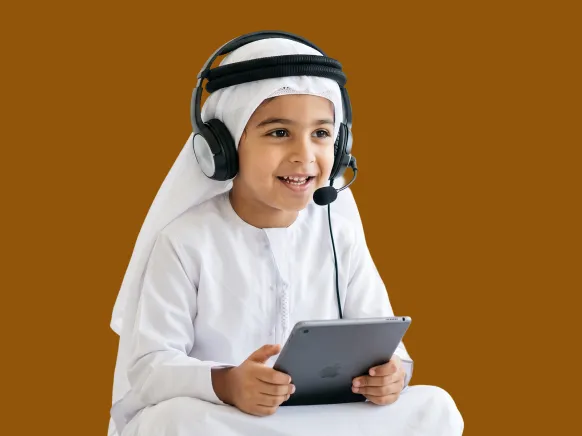
What Comes Next
Machen Sie den nächsten Schritt auf Ihrer Koranreise mit der Al Asr Quran Academy.
Ja. Absolute Anfänger können teilnehmen, obwohl Schüler, die arabische Buchstaben noch nicht erkennen können, mit Noorani Qaida beginnen können, bevor sie detaillierte Tajweed-Regeln lernen.
Nein. Gesprochenes Arabisch ist nicht erforderlich. Der Lehrer erklärt die Regeln in einer Sprache, die der Schüler verstehen kann, und konzentriert sich auf die Koranische Aussprache.
Ja. Kinder erhalten altersgerechte Lektionen mit kurzen Erklärungen, Wiederholungen und geführtem Koranlesen.
Ja. Erwachsene Schüler können an Aussprachegewohnheiten arbeiten, die sich über viele Jahre entwickelt haben. Privatstunden ermöglichen es dem Lehrer, sich auf jeden wiederholten Fehler zu konzentrieren.
Ja. Weibliche Lehrerinnen stehen Frauen, Mädchen und Familien, die eine weibliche Tutorin bevorzugen, je nach Stundenplan zur Verfügung.
Die Lektionen sind live und interaktiv. Der Lehrer hört dem Schüler zu, demonstriert Laute und korrigiert Fehler während des Unterrichts.
Die Häufigkeit der Kurse hängt vom gewählten Lernplan und dem persönlichen Zeitplan ab. Regelmäßige wöchentliche Lektionen bieten genügend Kontinuität für Übung und Wiederholung.
Der Lehrer überprüft das Leseniveau des Schülers, identifiziert häufige Fehler und empfiehlt einen geeigneten Ausgangspunkt. Der Schüler erlebt auch die Lehrmethode, bevor er einen regulären Plan wählt.
Die kostenlose Probewoche ermöglicht es dir oder deinem Kind, den Lehrer kennenzulernen, das Online-Klassenzimmer zu testen und eine erste Lesebewertung zu erhalten. Weder eine Zahlungskarte noch eine Vorauszahlung sind erforderlich – fülle das Registrierungsformular aus und wähle eine passende Zeit für deine erste Lektion.
Book Your Free Trial Class