
What Is Noorani Qaida? Complete Guide with an Interactive Lesson Viewer
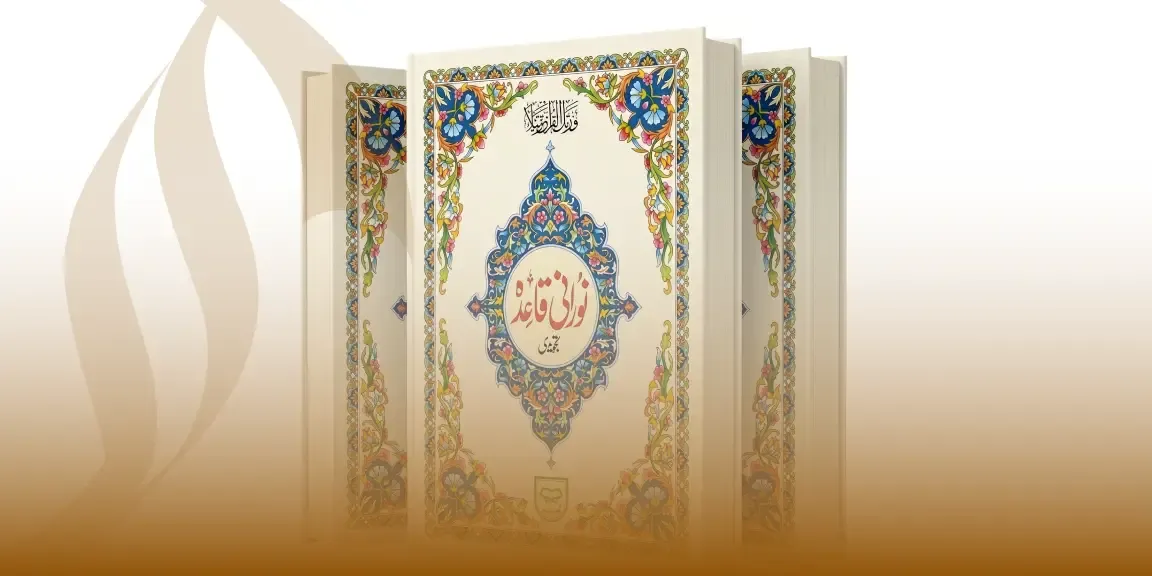
Recognizing an Arabic letter is one thing. Reading it correctly when its shape changes or a vowel mark appears is another. That gap can leave children guessing and adults unsure where to begin. Noorani Qaida gives those first reading steps a clear structure.
This guide explains what the book covers, how its exercises build on each other, why lesson numbers differ, and what comes after completion. It also separates reading practice from memorization, so choosing a starting point feels less confusing.
Noorani Qaida Meaning and Purpose
Noorani Qaida is an introductory Arabic reading book that teaches letter recognition, vowel signs, and pronunciation patterns to prepare beginners for reading the Quran.
The book breaks a difficult task into smaller exercises. First, the reader identifies a letter. Later exercises add joined forms, short vowels, and other signs. Eventually, several familiar elements appear together in a word.
Its central purpose is reading preparation. Recognizing and pronouncing Arabic writing does not automatically provide a word’s meaning. Translation, vocabulary, and Arabic grammar need their own study alongside or after the reading foundation.
Likewise, remembering a short Surah by listening does not necessarily mean a person can read it from the page. A useful check is to point to an unfamiliar combination containing familiar letters. Can the learner work it out without hearing it first?
That distinction helps parents and adult beginners understand what progress in the Qaida actually looks like.
Noorani Qaida Reading Preview and Lesson Viewer
Start with the skill you are practicing, rather than choosing a page because its number matches a video. Keep your own edition beside you and check the lesson heading before reading.
Reading feature
Example
What to notice
Similar letter shapes
ب ت ث
The shared shape and different dots
Short vowel marks
بَ بِ بُ
The letter stays the same while its vowel changes
A joined form
بَتَ
Letters connect within a reading exercise
Sukoon
بْ
The sign marks a consonant without its own vowel
Shaddah
بَّ
The sign marks consonant doubling
Use a simple practice routine: identify the letter, notice its mark, listen to a teacher’s example, and attempt it aloud. Then return to the item later without playing the model first. That final attempt checks whether the symbol now prompts the sound independently.
If the same error keeps returning, record the page and example for your tutor. Repeating an uncertain sound many times is less useful than getting a clear correction and practicing that version.
For help choosing between a printed book, digital material, and guided study, compare the ways to learn Noorani Qaida before settling on your practice setup.
Noorani Qaida Origin, Compiler, and Later Editions
Noorani Qaida was compiled by Sheikh Noor Muhammad Haqqani, a scholar from Ludhiana in Punjab, India. A study in the Sharjah conference proceedings published by the Arabic Language Educational Center for Gulf States identifies him as its author and explains its gradual approach to teaching Arabic reading through Quranic examples.
The book introduces individual letters before moving to joined forms, vowel marks, and more complex combinations. Its purpose was to help beginners connect written letters with their correct sounds and develop the foundations for Quran recitation.
Later, his grandson, Muhammad Farooq Al-Raee, worked on editing the book, developing its teaching method, and spreading its use in the Arab world. The same study records an early teacher-training course at Dubai’s School of Research Science in 1419 AH, followed by teaching activity in Jeddah.
Modern editions may carry an editor’s or publisher’s name alongside the original compiler’s. Check the title page and contents when choosing a copy, especially if you need its lesson order to match your teacher’s materials.
What Does Noorani Qaida Teach, and in What Order?
Noorani Qaida moves from recognizing letters toward reading combinations and Quranic examples. The sequence below groups the main skills. It is not a universal chapter list, and articulation practice continues across the stages.
Individual Arabic Letters
The first task is recognizing a letter by its shape and dots. Similar-looking letters need attention because a small visual difference identifies a different letter.
For example, ب, ت, and ث share a similar basic shape. Their dots distinguish them. A learner who can recite the alphabet in order may still hesitate when those letters appear separately. Practice identifying them in a mixed sequence as well.
Joined Forms and Letter Combinations
Arabic letters can look different when connected. This stage develops recognition within combinations instead of relying entirely on the isolated alphabet chart.
Ask the learner to locate a familiar letter inside an exercise. If that is difficult, return to the shape before adding more pronunciation work. Reading depends on noticing what is actually printed, even when the arrangement feels unfamiliar.
Makharij: Where Letter Sounds Are Produced
Makharij are the articulation points used to produce Arabic letter sounds. Recognizing the correct written letter and producing its sound are related but separate skills.
A tutor can listen for a sound that has been replaced with a more familiar one from the learner’s first language. The guide to Arabic letter articulation explains this foundation in more detail.
Dubai’s official recitation correction programme identifies accurate letter pronunciation and practical Tajweed among its areas of study. This illustrates why pronunciation remains relevant after the beginner book is finished.
Harakaat: Short Vowel Marks
Harakaat introduces the short vowels fatha, kasra, and damma. In a simple exercise such as بَ بِ بُ, the base letter remains unchanged while the vowel mark changes its reading.
The task is to notice both parts: the letter and the sign. Guessing from the previous item can produce the wrong vowel. The explanation of fatha, kasra, and damma supports practice with these distinctions.
Tanween: Double Vowel Signs
Tanween appears as doubled vowel signs and introduces an additional n sound in the relevant connected reading. Its treatment can depend on the following letters and whether the reader stops.
At this stage, the learner first needs to recognize the marks and follow the exercise correctly. The tanween explanation covers the topic more fully without overloading an introductory lesson.
Long Vowels, Standing Signs, and Leen
The next group develops awareness of vowel length and the patterns used for madd and leen. Some teaching editions also introduce signs called Khari Zabar, Khari Zer, and Khari Pesh.
Reading all vowel sounds with the same length can hide an important distinction. A teacher models the exercise and checks the response. The Madd and Leen guide separates the patterns and their treatment.
Sukoon and Qalqalah
Sukoon marks a consonant without its own vowel. It does not mean the consonant disappears. The learner reads it in connection with the surrounding letters without adding an extra vowel.
The sukoon guide explains that reading task. Where the relevant letters occur, qalqalah practice addresses their distinctive release. Qalqalah should not be turned into an added full vowel after the letter.
Shaddah: Consonant Doubling
Shaddah marks a doubled consonant. Missing it changes the way the written sequence is read, so the learner needs to notice the sign before moving on.
Practice should connect the written mark to the teacher’s demonstration. The guide to shaddah in Arabic reading explains the doubling and common points of confusion.
Disjoined Letters, Stopping, and Combined Practice
Some exercises introduce the separate letter groups at the openings of certain Surahs. Others bring together previous signs or introduce stopping in selected examples.
These tasks require more than remembering a row. The learner must identify which reading features apply to the item in front of them. For the wider organization, use the complete lesson sequence with your teacher’s edition.
How Many Lessons and Pages Does Noorani Qaida Have?
Noorani Qaida’s lesson and page counts depend on the edition. Check the contents and final numbered page of the specific copy you are using before quoting either total.
A lesson is a teaching unit. A page is a printed or digital location. A class is time spent with a teacher. Those three things do not have a fixed one-to-one relationship.
For instance, a teacher might divide one difficult lesson across several sessions. A PDF viewer might count the cover as its first page, while the book’s printed numbering starts later. A reference to “page 5” can therefore lead to different places.
Item to check
Why it matters
Lesson heading
Identifies the skill being practiced
Printed page number
Matches the reference used in the book
PDF page position
May include covers and introductory pages
Edition and publisher
Helps match the teacher’s material
Final exercises
Helps establish whether a file is complete
If you find a resource labelled “full Noorani Qaida” or “Noorani Qaida complete,” inspect its contents. A title alone cannot show that the final exercises are present or that its numbering matches your class.
Keep a short homework note with the lesson heading, page, and starting example. That is easier to follow than a page number on its own. More edition and numbering issues are covered in the common Noorani Qaida questions.
Who Is Noorani Qaida For?
Noorani Qaida is for readers who need the foundations of Arabic script, regardless of whether they are children or adults. Starting ability matters more than comparing progress with somebody else.
Children Beginning Quran Reading
A child may recognize a few letters but need support with dots, joined shapes, or listening carefully to a sound. Begin with a manageable exercise and allow time to answer.
Parents can help by pointing to the current item and listening. Giving the answer immediately can make it difficult to tell whether the child recognized the letter or simply repeated the prompt.
Adults and Returning Learners
Adults can begin with the same reading foundations while using explanations suited to their experience. Someone returning after years away may need a targeted review rather than equal time on every page.
Tell the teacher which tasks feel uncertain:
- Recognizing a symbol
- Joining sounds
- Pronouncing a particular letter.
The guide to Noorani Qaida for adults addresses starting again without unnecessary embarrassment.
New Muslims and Non-Arabic Speakers
New Muslims can use the Qaida to begin reading Arabic script without prior study. Non-Arabic speakers can receive explanations in a familiar language while practicing the Arabic text itself.
Reading, understanding meanings, and memorizing passages are different goals. Discuss them separately with the tutor so the starting lessons address the most immediate need.
Noorani Qaida, Qaida Noorania, and Other Spellings
Noorani Qaida, Nurani Qaida, Qaida Noorania, and Qaidah Nooraniyah are spellings readers may encounter when the name is written in Latin letters. “Qaida Noorani” also appears with the words reversed.
Spelling alone is not a reliable way to identify a publication. Look at the Arabic or Urdu title, compiler information, publisher, and actual lesson pages before deciding that two resources match.
An “English Noorani Qaida” may contain English directions or transliteration around Arabic exercises. English labels can help explain a task, but they do not replace recognizing the Arabic letters. Transliteration also cannot represent every pronunciation distinction precisely. The guide to Noorani Qaida in English discusses how to use that support without depending on it.
What Comes After Completing Noorani Qaida?
After Noorani Qaida, the next reading step is guided practice with Quranic text. The learner brings familiar letters and signs into longer words and connected verses, with correction where needed.
Completion should involve checking fresh examples as well as familiar ones. Can the learner identify the marks, maintain the letter sounds, and work through a short unfamiliar sequence without being given each answer?
The transition described in what comes after Noorani Qaida helps families understand that change. Al Asr’s Quran Reading course provides a taught next step for applying the foundations
Frequently Asked Questions
Is Noorani Qaida the Quran?
No. Noorani Qaida is a teaching book used to prepare beginners for Quran reading. It can include Quranic examples, but it is not a complete Mushaf.
Does Noorani Qaida Teach Arabic Meanings?
Its main purpose is reading and pronunciation. Understanding vocabulary, grammar, and the meanings of verses requires additional study. A teacher may explain meanings during a lesson, but that is a separate learning goal.
Can I Study Noorani Qaida Using Only a PDF?
A PDF gives you the written exercises. It cannot hear your attempt or correct a pronunciation error. Use it for reading practice, and arrange a teacher’s check when you are unsure about a sound or rule.
Should Noorani Qaida Come Before Tajweed?
Begin with the Qaida or equivalent letter instruction if you cannot read Arabic script. Correct articulation and basic recitation principles can accompany those first lessons. Detailed Tajweed study builds on that foundation.
Does Finishing Every Page Mean I Am Ready for Quran Reading?
Not automatically. Ask a teacher to check unfamiliar examples containing the skills already studied. Being able to apply those skills matters more than remembering the order of exercises.
What If I Already Know the Alphabet?
Check joined forms and vowel marks next. Recognizing isolated letters does not show whether you can read combinations. A short assessment can identify the right starting lesson without repeating everything.
Ready to start learning the Quran?
Book a free trial class with a certified tutor — no credit card, no commitment.
Book Your Free Trial